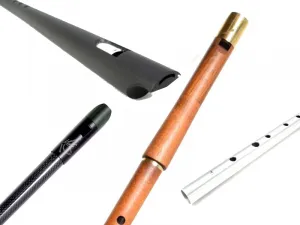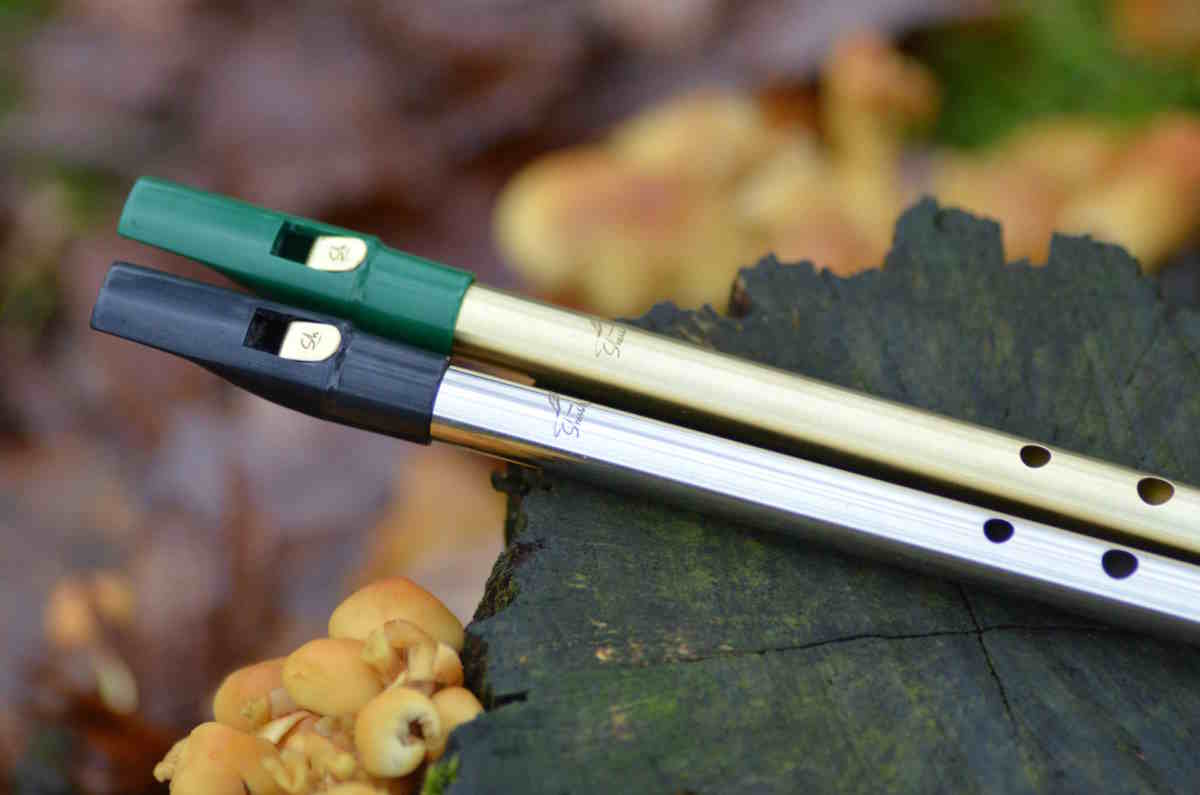
The tin whistle, a simple yet charming instrument, is often the first step for many into the world of traditional Irish music. Its sweet, melodic sound can capture the heart, but as with any instrument, there are nuances to master.
While many beginners are eager to dive into playing their favourite tunes, they often overlook some fundamental aspects that can greatly impact their progress and sound quality. In this article, we’ll explore five key aspects that new tin whistle players frequently miss, along with tips to help you play more effectively and beautifully.
1. Covering the holes incorrectly
One of the most common issues beginners face is not covering the finger holes completely. This usually leads to “squeaky” notes and a less than pleasant sound. Each hole must be fully covered to produce a clear, accurate note.
When placing your fingers on the holes, make sure your fingertips are positioned over the holes to seal them completely. Do not press too firmly, it should feel natural and comfortable. Usually, you want to roll your fingers slightly forward to seal the holes with your pads, not the tips. This is especially important for alto and low whistles that generally have bigger holes. Practice slowly, checking each note to ensure it’s clear and accurate.
2. Overblowing
Another frequent mistake is overblowing. The tin whistle requires a delicate touch, and blowing too hard can cause the notes to sound sharp or create an unpleasant shrill.
Start by blowing gently and gradually increase the airflow until you reach the desired volume. The aim is to find the sweet spot where the note is strong but not harsh. Practicing long, steady notes can help you develop control over your breath. Remember, it’s all about finesse rather than force. Especially if you already play a wind instrument such as a flute, saxophone, or similar, you may find a tin whistle unexpectedly too sensitive.
3. Blowing pauses
New players often mistakenly stop blowing between notes, creating unwanted pauses and breaking the fluidity of the music. Continuity in airflow is crucial for smooth transitions between notes.
Practice playing scales or simple melodies without stopping your breath. Think of your airflow as a continuous stream, and use your fingers to change notes rather than pausing your breath. This technique will help you maintain a seamless and melodic sound, making your playing more polished and professional.
4. Lifting the fingers too high
Many beginners have a tendency to lift their fingers too high off the whistle when switching notes. This can result in slower, less accurate playing and an awkward hand position.
Keep your fingers close to the whistle and avoid excessive movement. A relaxed, comfortable grip is essential. Practice playing slowly and focus on minimal finger movement. This will not only improve your speed and accuracy but also make your playing look and feel more effortless.
5. Adding ornaments spontaneously
Ornaments like cuts, taps, and rolls add a beautiful, traditional touch to tin whistle music. However, beginners often try to incorporate these ornaments “on the fly” without sufficient practice, leading to sloppy execution and a less polished sound. Remember, ornaments should enhance your music, not detract from it.
Before adding ornaments to your tunes, practice them separately until you can perform them cleanly and confidently. Break them down into their component parts and work on each element individually. Once you’re comfortable, start incorporating them into your playing.
There is a great resource with free online lessons that explain learning the tin whistle and the ornaments in much more detail.
Wrapping up
Mastering the tin whistle is a journey filled with small but significant learning moments. By paying attention to these often-overlooked aspects, you’ll set a solid foundation for your playing.
Remember, practice and patience are key. With time and dedication, your tin whistle playing will improve, and you’ll be able to produce the beautiful, melodic sounds that this delightful instrument is known for. Happy whistling!